Scholarships

Diversity among physicians—including neurologists—is essential for delivering the best possible healthcare. Research shows that increasing representation in healthcare leads to better outcomes for patients by enhancing cultural competency—the ability to understand and connect with people from diverse backgrounds. This is a crucial step toward reducing health disparities and improving overall patient care.

At The Joi Life Foundation, we are committed to empowering the next generation of neurologists and neuroscientists. Through scholarships that support residency applications and related expenses, we help students from underrepresented groups pursue their dreams and contribute to a more inclusive, equitable healthcare system.

The Pathways to Neuroscience Scholarships supports fourth-year medical students pursuing careers in neurology or neurosurgery by easing the financial burden of the residency application process. This scholarship provides funding to assist with residency application fees, travel for interviews, and essential preparatory resources.

Designed to empower the next generation of neurological specialists, the award is open to students who have demonstrated academic excellence, a strong commitment to the neurosciences, and a dedication to advancing patient care through clinical practice, research, or advocacy.

The scholarship aims to foster access and opportunity for aspiring neurologists and neurosurgeons as they transition into the next phase of their medical training.

2024-2025 Scholars

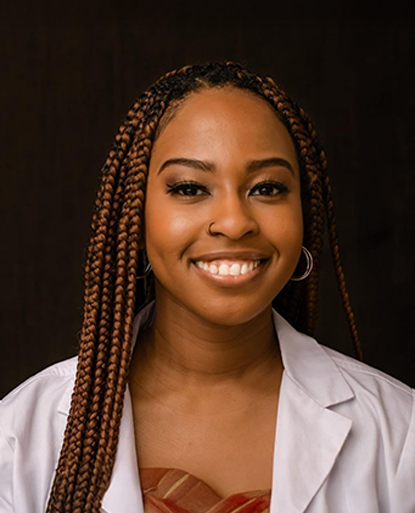
Angela Udongwo

Whenzdjyny Simon

Tamarah Bratcher

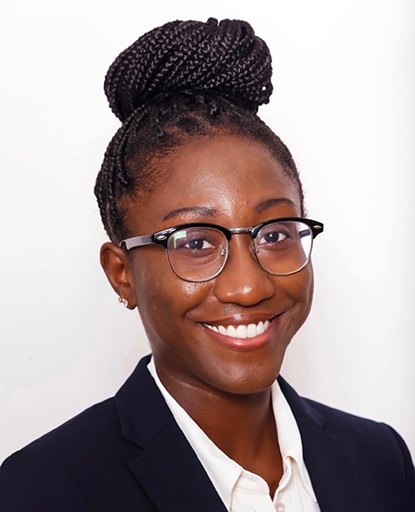
AnnaClaire Osei-Akoto

2023-2024 Scholars

Britney Pitter

Christine Petit-Frere

Danielle Pitter

Deborah Rose

ROCHELLE JONES SCHOLARSHIP

Established by the family of Rochelle Jones—an entrepreneur, philanthropist, and courageous MS Warrior—this scholarship is dedicated to supporting fourth-year medical students pursuing careers in neurology or neurosurgery.

The Rochelle Jones Residency Scholarship aims to ease the financial challenges associated with the residency application process by providing funding for application fees, interview travel, and essential preparatory resources.

This award honors Rochelle’s legacy of resilience and commitment to empowering future leaders in neurological care.

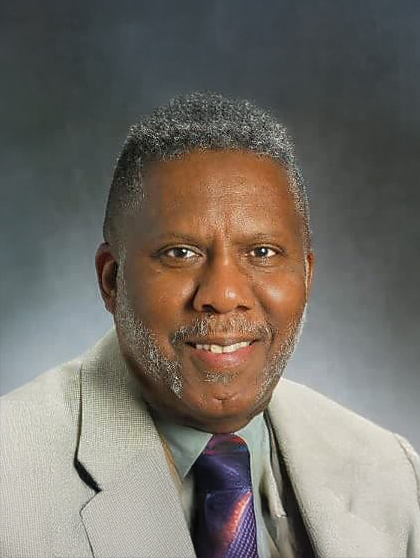
PATRICK A. GRIFFITH SCHOLARSHIP

Dr. Patrick A. Griffith earned his medical degree from Howard University in 1971, where he was later inducted into Alpha Omega Alpha. Dr. Griffith completed his neurology residency at Harvard’s Longwood Program and served as a neurologist at Offutt Air Force Base.

He later joined Emory University as Assistant Professor and Deputy Chief of Neurology at Grady Memorial Hospital, spent over 30 years as Chief of Neurology at Morehouse School of Medicine, held academic roles at Meharry Medical College, SABA University, and Texas Southwestern, and served as a consultant in Ethiopia. He inspired many on their journey to becoming neurologists and was awarded the Vanguard Award posthumously at the Inaugural Joi Life Foundation Gala in September 2024. 

The Dr. Patrick A. Griffith Clinical Neurology Scholarship was established by the Griffith Family and his former student Dr. Mitzi Joi Williams-Brown to support a medical student in their final year as they pursue their career in Neuroscience.

The scholarship provides funding for application fees, testing expenses, and essential neurology resources to aid in their professional development. It honors Dr. Griffith’s lasting legacy of mentoring and training future neurologists.

Joi Life Foundation Residency Scholarship

The Joi Life Foundation Scholarships were created to help ease the financial burden for medical students and residents from Underrepresented Groups pursuing careers in Neurology. The Residency scholarship is available every fall and provides a maximum of $1000.00 per medical student or resident for residency/fellowship related expenses including  application and interviewing processes. Approval is based on meeting the eligibility requirements. The Board of Directors determines the total amount of funds allocated to the scholarship program yearly and once funds are exhausted for that academic year, no further scholarships shall be granted.

ELIGIBILITY REQUIREMENTS
Applicants must be members of an underrepresented people group that demonstrate a commitment to the field of Neuroscience and attend an accredited medical school. 

Personal Information

Educational Information

LETTER OF INTEREST

In 150-500 words state your goals in the field of neurology and why you should receive this scholarship.

Help Us Change the Field of Neuroscience

DONATE

Together, we can raise awareness about the latest advances in neurologic disease—bringing hope and knowledge to patients, families, and communities.

SUBSCRIBE

Be the first to hear about our upcoming events and initiatives

Angela Udongwo Scholarship Biography

Angela Udongwo is a dynamic leader and advocate dedicated to advancing healthcare innovation, equity, and diversity. She is currently pursuing her MD at the Lewis Katz School of Medicine at Temple University, where she also serves as President of Aspiring Physician Executives (APEx). Through APEx, Angela champions the diversification of future physician leaders working at the intersection of health sectors, inspiring medical students to explore leadership opportunities beyond clinical practice.

With a unique background spanning global health and business, Angela co-founded and led InnoHealth Diagnostics, a healthcare startup focused on tackling neglected tropical diseases. As the former CEO, she oversaw the development of a microchip diagnostic device for schistosomiasis, a parasitic disease affecting millions in Africa. Under her leadership, InnoHealth secured multiple awards, established key partnerships, and conducted field testing in Nigeria, contributing to advancements in disease diagnostics. She also worked as a global health consultant with Emory University’s AHIA program, leading digital initiatives and fostering collaborations across African universities and healthcare organizations.

Angela’s impact extends into research focused on health equity. She has spearheaded projects investigating the role of Black hairstyles in medical imaging, identifying critical gaps in radiological education and advocating for improved cultural competency in healthcare. Her groundbreaking work has been featured across major media outlets, including ABC News, Philadelphia Inquirer, FOX29 News, Essence, AfroTech, and WHYY Radio, sparking important conversations on representation and inclusion in medicine.

Angela’s journey reflects a commitment to breaking barriers in healthcare by blending innovation, advocacy, and leadership. Her passion for addressing healthcare disparities and fostering community-oriented solutions embodies the spirit of service that this scholarship seeks to empower, making her an exceptional candidate and a future leader in medicine.

AnnaClaire Osei-Akoto Biography

My name is AnnaClaire Osei-Akoto and I am an M4 at Emory University School of Medicine. My family is originally from Ghana and I completed my middle school and High school education in Accra, Ghana. I then moved back to the United States and attended the University of Pennsylvania and received my BA in Neuroscience with a minor in chemistry.

As a first-generation low-income student, I have a strong passion for mentorship as I have witnessed firsthand how significant having mentors can be. Throughout my life I have enjoyed hobbies such as reading especially thrillers and historical fiction, music, and writing poetry. 

Britney Pitter Biography

Britney Pitter was born in Queens, NY, and moved to Atlanta, GA as a child. She attended Georgia State University and graduated with a Bachelor of Science in Neuroscience. Britney decided to pursue medicine because of her passion for science and healthcare community service. It was on her first international healthcare mission trip during her undergraduate years that she decided to become a physician. Britney has also participated in Neuroscience research exploring traumatic brain injury and meningioma mutations. She attended Morehouse School of Medicine for medical school and she’s completing her Internal Medicine preliminary year at the same institution. During her personal time, she enjoys dancing, watching action movies, and spending time with family and friends.

Christine Petit-Frere Biography

Christine was deeply influenced by her mother, a registered nurse on the neurology floor and a determined Haitian immigrant. Conversations with her mother ignited a passion for neurology. This interest was solidified through her volunteer work at Mind&Melody, where Christine connected with patients through music, leading her to pursue a master’s in biomedical sciences with a focus in neuroscience.

Her clinical experience at Grady Memorial Hospital in Atlanta while attending Morehouse School of Medicine revealed the unique challenges faced by underserved communities, reflecting her own family’s hesitancy toward healthcare. These experiences have inspired Christine to provide compassionate, representative care and work towards increasing minority participation in clinical trials.

Although Christine initially faced setbacks in matching into neurology, her dedication remains strong. She is committed to advancing her skills and serving underserved populations, combining a love for neurology with a drive to improve healthcare outcomes through empathy and innovation.

Deborah Rose Biography

Deborah Rose, MD is a Behavioral Neurology & Neuropsychiatry fellow at Johns Hopkins University. She is a first-generation Jamaican-American, born and raised in New Jersey. She completed her undergraduate education at Cornell University, medical school at the Loyola University Chicago Stritch School of Medicine in 2020, and Neurology residency training at Duke University Medical Center. Currently, her research is focused on studying the role that adverse childhood experiences and chronic toxic stress play in the pathogenesis of neuropsychiatric illnesses such as Alzheimer’s Disease and contribute to the racial disparities seen in the condition.